IRS Audit Risk for U.S. Expats Explained: Real Odds and How to Stay Safe



- Current IRS Audit Statistics: The Real Numbers
- Why Expats Face Slightly Different Risks
- Two Main Tax Protections That Keep Most Expats at $0
- Common Audit Triggers Expats Can Avoid
- If You're Behind: Simple Path to Compliance
- What to Expect If Audited
- How Greenback Provides Peace of Mind
- Your Next Steps
Your chances of being audited by the IRS as a U.S. expat are extremely low. According to IRS compliance data, only about 0.2% of individual tax returns are audited, and the IRS has committed not to increase audit rates for taxpayers earning under $400,000. For expats, the risk is slightly elevated due to the complexity of international forms (FBAR, FATCA, Form 2555), but the overall odds remain well under 1% for most income levels. IRS enforcement capacity has also declined significantly: DOGE-driven staffing cuts in 2025 reduced the number of IRS revenue agents (auditors) by 31%, and the 2026 filing season is operating with a roughly 9% smaller budget.
That said, filing correctly matters more than the odds. The most common audit triggers for expats:
- Missing or late FBAR/FATCA filings: The IRS cross-references foreign account data reported by banks under FATCA with your return; mismatches are flagged automatically
- Large or inconsistent FEIE claims: Claiming the full $130,000 exclusion without properly documenting the Physical Presence Test or Bona Fide Residence Test
- Unreported foreign income: The IRS receives data from over 110 countries through FATCA intergovernmental agreements
- Missing international information returns: Unfiled Form 5471, Form 8865, or Form 3520 keeps the statute of limitations open indefinitely
Here’s what the actual audit statistics look like, which expat-specific situations attract IRS attention, and how to file to minimize your risk. If you’re behind on filing, the Streamlined Filing Procedures offer a penalty-free path to compliance before the IRS contacts you.
Current IRS Audit Statistics: The Real Numbers
For the 2019 tax year, the exam coverage rate for individual taxpayers with $10 million or more in income was 11.0 percent, while those with $1 million–$5 million faced just 1.6 percent. Most expats fall far below these thresholds.
For Typical Expats:
- General audit rate: Under 0.5% for most income levels
- Under $400K earners: Rates remain at historic lows
- IRS commitment: No increase in audit rates for small businesses and taxpayers under $400,000
The IRS Focus Shift: Wealthy individuals and large corporations now face dramatically increased scrutiny, but everyday expats working abroad see minimal change in their audit risk.
Why Expats Face Slightly Different Risks
Living abroad doesn’t automatically increase your audit chances, but certain expat-specific situations do attract attention:
- Complex Filing Requirements: Expat returns involve multiple forms and calculations. The IRS uses automated systems to flag inconsistencies, making accuracy crucial.
- Foreign Income Reporting Gaps: Incomplete worldwide income reporting or missing foreign account disclosures create red flags. The solution is straightforward: report everything, then apply exclusions.
- Expat Tax Benefit Claims: The Foreign Earned Income Exclusion and Foreign Tax Credit receive additional scrutiny, but these are legitimate tools designed specifically for expats.
Two Main Tax Protections That Keep Most Expats at $0
Most Americans abroad can eliminate or dramatically reduce their US tax liability using these IRS-provided benefits:
Foreign Earned Income Exclusion (FEIE)
- 2025 Amount: Exclude up to $130,000 from US taxation
- Best For: Expats in low-tax countries
- How to Claim: File Form 2555
Real Example: Sarah works in Dubai and earns $95,000. Using FEIE, she excludes her entire salary and owes $0 in US taxes.
Foreign Tax Credit (FTC)
- Benefit: Dollar-for-dollar credit for foreign taxes paid
- Best For: Expats in high-tax countries
- How to Claim: File Form 1116
Real Example: Mark lives in Germany and pays $18,000 in German taxes on his $85,000 salary. He uses the Foreign Tax Credit to offset his entire $16,000 US tax liability.
Common Audit Triggers Expats Can Avoid
High-Risk Situations
- Not filing returns at all – All US citizens must file annually
- Missing foreign income – Report worldwide income, then apply exclusions
- Unreported foreign accounts – File FBAR for accounts over $10,000
- Questionable FEIE claims – Ensure you meet residency tests
- Mathematical errors – Double-check calculations and use professional help
Low-Risk Approach
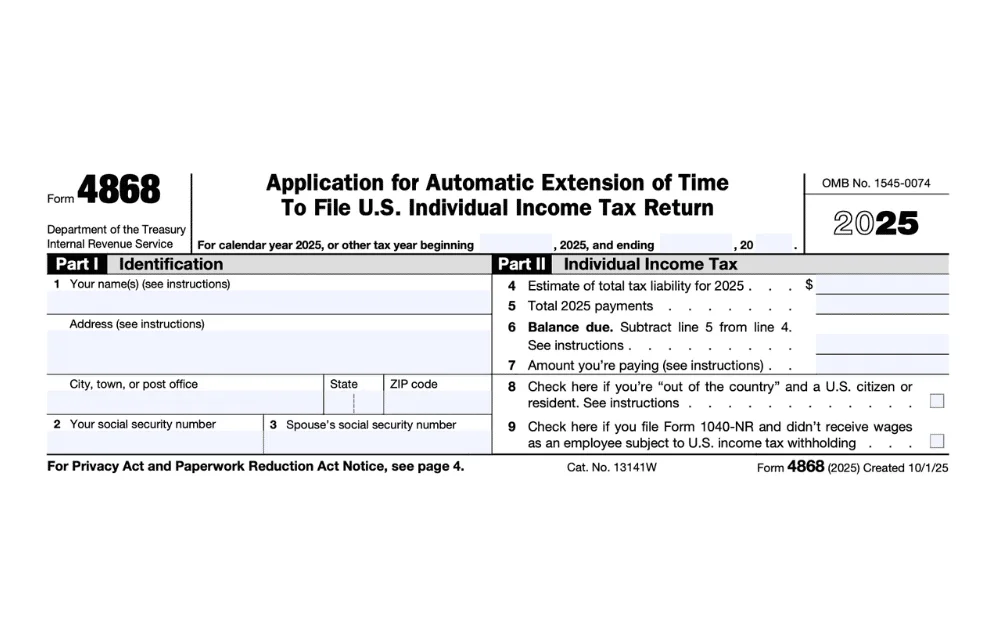
- File on time (automatic June 15 extension for expats)
- Report all income first, then apply exclusions
- Keep excellent documentation
- Work with expat tax professionals
If You’re Behind: Simple Path to Compliance
Don’t Panic. If you haven’t filed US taxes while living abroad, the Streamlined Filing Compliance Procedures offer penalty-free catch-up:
- File the last 3 years of returns
- File the last 6 years of FBARs
- Minimal penalties (often under $1,000)
- Avoid most IRS enforcement action
Many clients feel “genuinely relieved” after using streamlined procedures to get current.
What to Expect If Audited
Stay Calm. Three-quarters of all audits are correspondence audits, the IRS simply sends a letter asking about specific items. Most expat audits focus on:
- Verifying foreign income amounts
- Confirming time spent outside the US
- Reviewing foreign tax payments
- Checking business expense documentation
Key Point: Being audited doesn’t mean you did anything wrong. The IRS wants to verify your claims, and with proper documentation, most audits conclude with minimal changes.
How Greenback Provides Peace of Mind
Greenback is an American company founded in 2009 by U.S. expats for expats. Expat taxes are what we know best, and that has never changed. Many of our CPAs and Enrolled Agents are expats, living in 14 time zones and experiencing firsthand the challenges of living abroad.
Our Track Record:
- 23,000+ expats helped
- 71,000+ tax returns filed
- 4.9-star average across 1,200+ TrustPilot reviews
- Only CPAs or Enrolled Agents prepare returns from start to finish
Our Approach: We have a rigorous hiring process for our accountants and customer service representatives. We only hire the best. Peace of mind is something we deliver year-round, not just during tax season.
Your Next Steps
If you’re current with filing, continue filing on time each year and maintaining good records. If you’re using the right tax protections, you’re probably not going to owe anything.
If you’re behind, the Streamlined Filing Procedures offer an excellent path to compliance without the stress.
If you need help: No matter how late, messy, or complex your return may be, we can help. You’ll have peace of mind, knowing that your taxes were done right.
Remember: Your chances of being audited remain very low if you file correctly and report all required information. The key is staying compliant from the start rather than worrying about enforcement later.
If you’re ready to be matched with a Greenback accountant, click the get started button below. For general questions on expat taxes or working with Greenback, contact our Customer Champions.

This article is for informational purposes only and should not be considered tax advice. Tax laws are complex and change frequently. Consult with a qualified tax professional for advice specific to your situation.


Featured In