Can FBAR or FATCA Non-Compliance Affect Your Green Card or U.S. Citizenship?
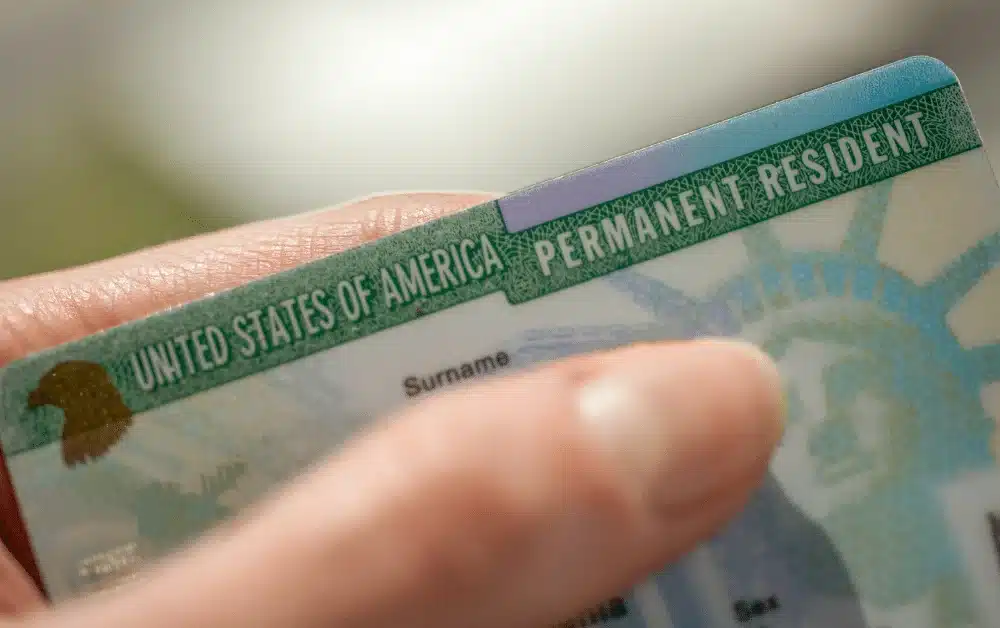

Yes. As of April 1, 2026, U.S. Citizenship and Immigration Services (USCIS) can consider FBAR (FinCEN Form 114) and FATCA (Form 8938) non-compliance when evaluating “good moral character” in naturalization and permanent residency adjudications. For visa holders, green card holders, and naturalization applicants, an unfiled foreign account report is no longer just a tax issue. It is now an immigration issue.
According to FinCEN, any U.S. person whose foreign financial accounts exceeded $10,000 in aggregate at any point during 2025 must file an FBAR. The most common triggers include:
- Foreign bank or savings accounts held before or after moving to the U.S.
- Foreign investment, brokerage, or pension accounts in your home country
- Signature authority over a relative’s or employer’s overseas account

Unsure How FBAR and FATCA Apply to You?
Here is exactly what changed, who is at risk, and what to do before the April 15 deadline.
What Changed on April 1, 2026?
USCIS now treats FBAR and FATCA non-compliance as a factor in good moral character determinations for:
- Naturalization (Form N-400) applicants
- Adjustment of status and green card renewal cases
- Removal of conditions on residence
This does not mean a missed FBAR is an automatic denial. It means adjudicators can now consider your foreign account compliance history when deciding whether you meet the character standard required for U.S. citizenship or permanent residency.
What Are the Penalties for Missing FBAR?
The FBAR penalty structure is severe and was recently inflation-adjusted. Now those penalties carry immigration consequences as well.
| Violation Type | 2026 Penalty | Immigration Risk |
|---|---|---|
| Non-willful FBAR violation | Up to $16,536 per year | May factor into good moral character review |
| Willful FBAR violation | Greater of $165,353 or 50% of account balance | Significant adverse weight in adjudication |
| FATCA Form 8938 failure | $10,000, up to $50,000 for continued failure | May factor into adjudication |
Who Needs to Pay Attention Right Now?
If you fall into any of these groups and have any foreign financial accounts, this affects you:
- Green card holders with bank accounts, pensions, or investments in their home country
- H-1B and other work visa holders who maintain accounts abroad
- Naturalization applicants with N-400 pending or planned
- Dual citizens living in the U.S.
- Spouses of U.S. citizens going through the adjustment of status
A common scenario: an H-1B holder from India keeps a savings account and a small mutual fund back home. Combined balance hits $12,000 in 2025. That triggers FBAR. Skip it, and the next naturalization application could bring it to light.
What Is the Deadline?
The FBAR filing deadline for 2025 accounts is April 15, 2026, with an automatic extension to October 15, 2026. No form is required to receive the extension.
FATCA Form 8938 is filed with your federal tax return, due April 15, 2026 (or June 15, 2026 for taxpayers whose tax home is abroad).
What If You Are Already Behind?
You are not stuck. The IRS Streamlined Filing Compliance Procedures allow non-willful filers to catch up on missed FBARs and tax returns with reduced or waived penalties. This program was designed for exactly this situation: people who did not know about the requirement.
Acting now, before USCIS reviews your case, is far better than being asked about it during an interview.
Your Next Step
If you have any foreign financial account and have not filed an FBAR or Form 8938, the next nine days matter. File the FBAR by April 15, file Form 8938 with your return, and if you are behind, start the Streamlined Procedures before any pending immigration application moves forward.
If you are a foreign national living in the U.S. on a visa or green card, Greenback specializes in cross-border tax compliance for people in your exact situation. Learn more about tax help for foreign nationals in the U.S.
If you’re ready to be matched with a Greenback accountant, click the Get Started button below. For general questions on U.S. expat taxes or working with Greenback, contact our Customer Champions.

Let an Expert Take This Off Your Plate
Frequently Asked Questions
It can be a contributing factor as of April 1, 2026. USCIS now considers FBAR and FATCA compliance history as part of the “good moral character” determination for Form N-400. A single missed filing is unlikely to trigger an automatic denial, but a pattern of non-compliance, an unresolved willful penalty, or evidence that you concealed accounts on prior applications can carry meaningful weight against you. The safest move is to resolve any gaps before your interview.
USCIS officers can request IRS tax transcripts as supporting documentation, and adjudicators are increasingly trained to ask about foreign accounts at interview. They do not always affirmatively pull FBAR records, but lying about foreign accounts on Form N-400 or at your interview is, in itself, a good moral character violation, regardless of whether they verify independently.
Yes. USCIS can consider your full compliance history, not just filings after April 1, 2026. Old missed FBARs from prior years can surface during adjudication. This is precisely why catching up through Streamlined Filing Procedures before applying matters so much under the new policy.
Three steps, in order. First, check whether your foreign accounts exceeded $10,000 in aggregate during any year you were a U.S. tax resident. Second, if you missed any FBARs, start the Streamlined Filing process immediately so the catch-up is documented and in motion before your interview. Third, brief your immigration attorney so they are not caught off guard if the topic comes up.
Voluntary compliance before USCIS or the IRS contacts you is the strongest position you can be in. Streamlined Filing demonstrates that the prior failure was non-willful and that you took proactive steps to fix it, both of which weigh in your favor in a good moral character review. It does not guarantee approval, but it removes the most damaging fact pattern from the table.
Yes. The April 1, 2026, policy is recent, and many immigration attorneys are still catching up. Tax compliance and immigration adjudication used to live in separate lanes. They no longer do. Raise it directly with your attorney so they can coordinate strategy with a cross-border tax professional before your filing or interview.
The new USCIS policy is most explicit for naturalization (N-400), adjustment of status, and removal of conditions. Visa renewals processed through the State Department are a separate channel, but consular officers can also consider tax compliance during certain visa interviews. If you intend to eventually apply for a green card or citizenship, FBAR compliance starting now will matter later.
Yes, particularly if you ever plan to sponsor a relative for immigration, renew a U.S. passport in unusual circumstances, or interact with USCIS in any capacity. Dual citizens are U.S. persons for FBAR purposes regardless of where they were born. The new rule does not change your filing obligation; it raises the stakes for ignoring it.
Not automatically. Paying a penalty resolves the financial liability, but the underlying conduct (a willful violation, in particular) can still be considered in a good moral character analysis. Coming into compliance through Streamlined Filing as a non-willful filer is a much stronger story than paying a willful penalty after enforcement.
USCIS is generally forward-looking in adjudicating already decided cases, but pending applications, motions to reopen, or future filings can be evaluated under the new April 1, 2026 standard. If you have an active or upcoming application and a known FBAR gap, treat it as an immediate priority.
This article is for informational purposes only and does not constitute legal, immigration, or tax advice. Consult a qualified tax professional and immigration attorney for guidance specific to your situation.
Related Resources
- Tax Help for Foreign Nationals in the U.S.
- How the IRS Connects with U.S. Immigration
- H-1B Taxes and Compliance
- Filing Taxes Abroad as a Green Card Holder
- The Downside to Obtaining a Green Card
- Visa Taxation Chart
- FBAR (FinCEN Form 114) Filing Guide
- FBAR vs. Form 8938: What’s the Difference?
- FATCA Reporting Requirements
- Streamlined Filing Procedures
- Renouncing U.S. Citizenship