Missed the Stimulus Payment Deadline? What U.S. Expats Need to Know Now
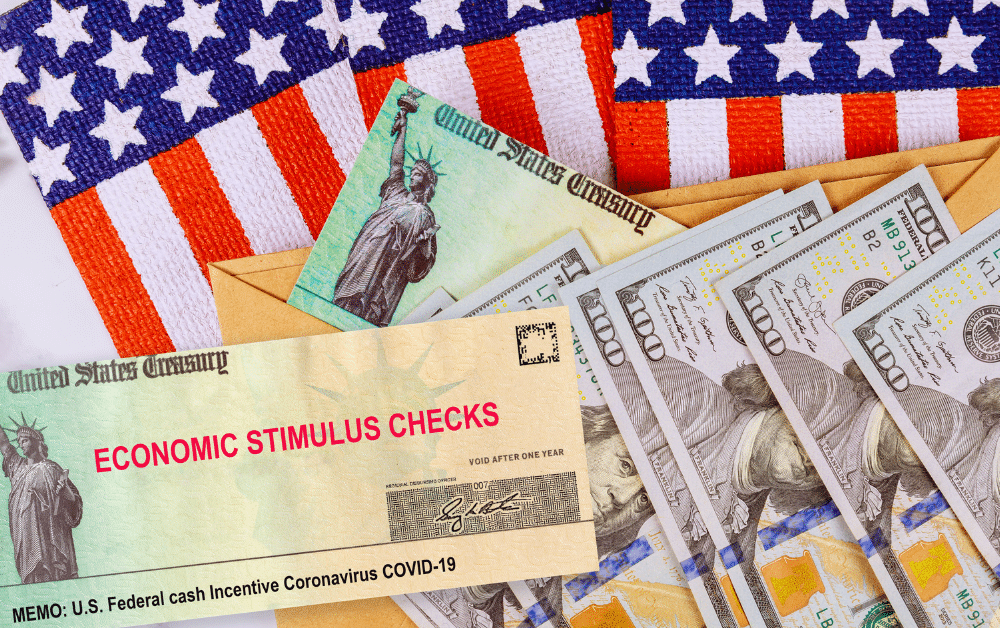


If you’re searching for information about claiming missed stimulus payments in 2026, there’s difficult news to share: the deadline to claim these payments passed on April 15, 2025. The IRS estimates that over $1 billion in eligible stimulus payments went unclaimed when the three-year filing window permanently closed.
Americans living abroad were disproportionately affected. Many expats didn’t realize they needed to file a 2021 tax return to claim the final $1,400 Recovery Rebate Credit, even with zero income or no tax owed. Others assumed their foreign residence made them ineligible. Both assumptions cost thousands of people real money they were entitled to receive.
While you can no longer claim past stimulus payments, this moment offers an important lesson: don’t miss current tax benefits that could save you thousands annually.
The Stimulus Credits Are Closed—but Your Tax Obligations Aren’t
What Were the Stimulus Payments?
During the COVID-19 pandemic, the U.S. government issued three Economic Impact Payments (stimulus checks) to provide financial relief:
- First Payment (April 2020): Up to $1,200 per adult plus $500 per qualifying child
- Second Payment (December 2020): Up to $600 per adult plus $600 per qualifying child
- Third Payment (March 2021): Up to $1,400 per adult plus $1,400 per qualifying dependent
If you didn’t receive these payments when they were originally issued, you could claim them through the Recovery Rebate Credit by filing the corresponding tax return. However, federal law required these returns to be filed within three years of the original due date.
The Deadlines That Have Passed
The deadline to claim the first two stimulus payments (2020 credits) was May 17, 2024.
The deadline to claim the third stimulus payment (2021 credit) was April 15, 2025.
These deadlines were absolute. There are no extensions, no exceptions for Americans living abroad, and no pending legislation to reopen the filing window. Once the three-year statutory period expired, all unclaimed funds returned to the U.S. Treasury.
Why Did So Many Expats Miss Out?
Thousands of Americans abroad lost money because of common misconceptions about U.S. tax filing requirements:
“I don’t need to file if I don’t owe taxes.” This dangerous assumption cost expats the most money. Filing a return was the only way to trigger eligibility for the Recovery Rebate Credit, regardless of income level or tax owed.
“The IRS knows my foreign address.” Without a recently filed tax return, the IRS had no current contact information to notify you about unclaimed payments.
“I’ll file when I get around to it.” Procrastination turned into permanent loss when the deadline passed.
“My foreign income is excluded anyway.” The Foreign Earned Income Exclusion has nothing to do with stimulus payment eligibility. You could exclude all your foreign income and still qualify for the full credit.
How Much Money Was Lost?
The real impact varied by family size:
- Single expat who missed all three payments: Lost $3,200
- Married couple with no children: Lost $6,400
- Family of four: Lost up to $11,200
These weren’t hypothetical numbers. These were actual dollars that would have been deposited directly into bank accounts if people had simply filed their 2021 tax returns before April 15, 2025.
What the IRS Did to Help
In December 2024, the IRS automatically sent approximately $2.4 billion to roughly 1 million taxpayers who had filed 2021 tax returns but left the Recovery Rebate Credit field blank or entered $0. These payments arrived via direct deposit or paper check by late January 2025.
However, this automatic distribution only helped people who had filed a 2021 return. An estimated $1 billion remained unclaimed by Americans who never filed 2021 returns at all. That money is now permanently gone.
What Tax Benefits Can I Still Claim?
While the Recovery Rebate Credit opportunity has passed, you have access to valuable tax benefits right now that save thousands annually:
Foreign Earned Income Exclusion
Exclude up to $130,000 of foreign-earned income from U.S. taxation for the 2025 tax year (filed in 2026). Unlike the expired stimulus credits, this benefit renews every single year.
How it works: If you meet either the Physical Presence Test (330 full days abroad in any 12-month period) or the Bona Fide Residence Test (full-year foreign residency), you can exclude a significant portion of your foreign earnings.
Real example: Sarah lives in Spain and earns $95,000 annually teaching English. By claiming the FEIE, she excludes her entire income and owes $0 in federal income tax.
Learn more about how to qualify for the FEIE.
Foreign Tax Credit
Reduce your U.S. tax liability dollar-for-dollar based on foreign taxes you’ve already paid to another country. This credit often eliminates U.S. tax obligations entirely for expats in high-tax countries.
Real example: David works in Germany, earns $120,000, and pays $28,000 in German taxes. The Foreign Tax Credit eliminates his entire U.S. tax liability.
Discover how to choose between FEIE and FTC for maximum savings.
Child Tax Credit
Claim up to $2,200 per qualifying child under 17. This credit is still available for current and future tax years, regardless of where you live.
Learn about the Child Tax Credit for expats and how to maximize family benefits.
Foreign Housing Exclusion
Claim qualifying housing expenses above base amounts. This benefit is especially valuable in high-cost cities such as London, Tokyo, and Singapore.
Calculate your Foreign Housing Exclusion with our step-by-step guide.
Am I Behind on Other Tax Filings?
Missing the stimulus payment deadline often signals other late filings that could be costing you money right now:
- 2025 Tax Return: Due June 15, 2026 (automatic expat extension)
- FBAR (Foreign Bank Account Report): Due October 15, 2026, if you missed the April deadline
- State Tax Returns: Deadlines vary by state
If you’re behind on multiple years, the Streamlined Procedures can help you catch up without the harsh penalties typically associated with late filings. This program is designed specifically for expats who didn’t realize they needed to file.
Learn about FBAR filing requirements and how to file delinquent FBARs without penalties.
How Do I Protect Future Tax Benefits?
Learn from the stimulus payment experience with these essential strategies:
- File every year, even with zero income. Many tax credits and refunds require a filed return to claim, regardless of your income level.
- Update your address with the IRS. Keep the IRS informed of your current foreign address using Form 8822 to ensure you receive important notices.
- Never assume ineligibility. U.S. citizens remain eligible for most federal tax benefits regardless of where they live.
- Act on deadlines immediately. Tax deadlines are legal requirements with no exceptions. Missing them means permanently losing benefits.
- Work with expat tax professionals. Specialists can identify credits you might miss and ensure you’re maximizing available benefits.
What Should I Do If I Just Realized I Missed Out?
Discovering you were eligible for thousands in stimulus payments after the deadline has passed is frustrating. Here’s how to move forward productively:
- Catch up on all unfiled returns. Other refunds or credits might be waiting from previous years.
- Maximize current-year benefits. Don’t leave more money on the table by failing to claim FEIE, Foreign Tax Credit, or other available benefits.
- Set up deadline tracking systems. Create calendar reminders for all tax deadlines to prevent future losses.
- Get professional help. Ensure you’re claiming everything available going forward.
The average expat who stays current on filings saves thousands annually through available credits and exclusions. Don’t let past mistakes cost you future benefits.
Get Expert Help With Your Expat Taxes
Greenback is an American company founded in 2009 by U.S. expats for expats. We’ve helped over 23,000 expats file over 71,000 returns while maintaining a 4.9-star average on TrustPilot. Many of our CPAs and Enrolled Agents are expats themselves, living in 14 time zones, so they experience firsthand the challenges of living abroad. They have the knowledge and patience to help you navigate the complicated U.S. tax system.
We help expats:
- Catch up on late returns through Streamlined Filing procedures
- Maximize current benefits like FEIE and Foreign Tax Credit
- Stay compliant and stress-free year after year
- Avoid missing future deadlines and tax benefits
No matter how late, messy, or complex your tax situation may be, we can help. You’ll have peace of mind knowing that your taxes were done right.
If you’re ready to be matched with a Greenback accountant, click the Get Started button below. For general questions on U.S. expat taxes or working with Greenback, contact our Customer Champions.
Missed the Stimulus—but Don’t Miss What Comes Next
This article is for informational purposes only and does not constitute tax advice. Individual circumstances vary, and you should consult with a qualified tax professional for advice specific to your situation.
Related Resources
- Recovery Rebate Credit: What It Was and Why Expats Lost Thousands
- Foreign Earned Income Exclusion: Complete Guide
- Foreign Tax Credit Guide
- FEIE vs FTC: Which Strategy Saves More Money?
- Streamlined Filing Procedures: How to Catch Up on Taxes
- FBAR Filing Guide for Expats
- Child Tax Credit for Expats
- Form 1040 for U.S. Expats
- U.S. Expat Tax Deductions and Credits
- Late Tax Return Filing Services
- Digital Nomad Taxes Guide