Your Business Is Global. Your U.S. Tax Filing Shouldn’t Be a Burden.
We See Your Situation Clearly.
-
You work for yourself consulting, freelancing, or running your own business abroad.
Navigating U.S. tax rules without an employer handling withholding feels overwhelming and confusing.
-
Without a W-2 or employer withholding, you’re responsible for everything.
You track income, understand deductions, calculate self-employment tax, and figure out what you actually owe on your own.
-
Self-employment tax feels unexpectedly high and you’re unsure which strategies apply abroad.
The 15.3% SE tax on top of income tax is a shock, and you don’t know if FEIE helps reduce it.
-
Quarterly estimated tax payments sneak up on you.
When income fluctuates or comes from multiple countries, calculating and paying estimated taxes on time feels impossible to manage.
-
You want to take legitimate business deductions but the rules feel different abroad.
Home office, equipment, software, travel – you’re not sure what qualifies or how to document expenses when living overseas.
-
You earn money in different currencies using platforms like Wise, PayPal, or Revolut.
You have foreign bank accounts and aren’t sure what must be reported beyond your basic tax return.
Start your U.S. expat tax return today.
"*" indicates required fields
When you run your own business overseas, understanding your tax responsibilities shouldn’t require guesswork. Our knowledge center breaks down the rules in plain language so you know exactly what applies to you before you file.

Understanding Self-Employment Tax Overseas
Learn how U.S. self-employment tax applies when you live abroad, how totalization agreements work, and what income is subject to the 15.3% SE tax.
Quarterly Taxes, Simplified
Understand how quarterly estimated taxes work for freelancers and business owners abroad, what you owe, when to pay, and how fluctuating income affects your estimates.
FEIE vs. FTC for Business Income
Explore how the Foreign Earned Income Exclusion (FEIE) vs. Foreign Tax Credit (FTC) apply specifically to self-employed individuals and how to choose the strategy that minimizes your total tax burden.
Business Structures Abroad (LLC, Sole Prop, or Foreign Entity?)
Understand what changes when you run a U.S. business from overseas and what to consider if you’re thinking about starting a business abroad, from tax implications to required forms and reporting. Expat Business Structures.
Foreign Business Reporting Basics
If you operate your business abroad or are considering forming a foreign entity, learn what the IRS requires, from annual reporting to the forms that apply to international businesses .
Cross-Border Invoicing and Currency Reporting
Even if you invoice in multiple currencies or get paid through global platforms, everything ultimately flows into your U.S. tax return. Learn how foreign income is reported on Form 1040 and what documentation you need to track when payments come from different countries.
Maximizing Legitimate Business Deductions
When you’re self-employed abroad, knowing which expenses qualify—home office, travel, equipment, software, and more—can significantly reduce your taxable income. Learn how to identify and document allowable business deductions with our guide to foreign business expense deductions.
FBAR & FATCA Requirements for International Entrepreneurs
Understand which foreign bank accounts, payment platforms, or business accounts require reporting, and how to avoid costly FBAR & FATCA penalties.
Recordkeeping for Global Income
Find guidance on managing receipts, expenses, and income across currencies and platforms so your books stay clean and IRS-ready. Recordkeeping for Global Income best practices.Featured In






See Why Self-Employed Expats Trust Us With Their Taxes
Greenback has in-depth knowledge and expertise in working with expats to help them file their US Federal Tax Returns. My situation is less than straight-forward, as I also have reporting responsibilities as the owner of a UK-registered limited company. The highly detail-oriented accountant with whom I was paired went above and beyond, thereby earning my trust AND my repeated business. I can’t recommend Greenback enough!
 4.84/5
 4.9/5
4.9/5
 4.8/5
4.8/5
Tax Help for Self-Employed Expats
U.S. Expat Tax Filing for Self-Employed Individuals
For freelancers, consultants, and solo business owners earning income abroad. We prepare your full U.S. tax return, apply FEIE or Foreign Tax Credits strategically, and ensure your Schedule C, business deductions, and self-employment tax are handled accurately.
$565
USD
Small Business & Entity Tax Filing (LLCs, Sole Props, Foreign Companies)
If you operate a U.S. LLC, a sole proprietorship abroad, or a foreign entity, we ensure the correct forms and schedules are filed — including complex reporting like Form 5471.
$750
USD
FBAR & FATCA Compliance for Business Owners
If your business uses platforms like Wise, PayPal, Revolut, or maintains foreign accounts, you may need to file FBAR or FATCA. We ensure every required account is reported so you avoid severe penalties.
$125+
USD
Catch-Up Filing for Self-Employed Expats (Streamlined Procedures)
If you’ve fallen behind — often due to confusion about self-employment tax abroad — we use the IRS Streamlined Program to help you catch up safely, often without penalties.
$1,750
USD
Strategic Tax Consultation
Get clear, personalized guidance on the questions that matter most when you run a business abroad—whether to keep your U.S. LLC, how foreign taxes apply where you live, whether FEIE or the Foreign Tax Credit will save you more, when (or if) a foreign company makes sense, and how to manage income that comes in multiple currencies.
$250+
USD
Quarterly Estimated Tax Calculations
We calculate what you owe each quarter and provide clear payment guidance, helping you avoid penalties and stay ahead of unpredictable income. Our experts make quarterly taxes understandable so you can plan confidently year-round. Not sure how much to pay or when? Our 30-minute expat tax consultation ($250) is a great way to get expert advice on estimated payments, tax strategy, or investment reporting.
$250
USD
Your Questions, Answered: US Tax Guides & Resources
Visit the Knowledge Center







Self-Employed Expat Tax FAQs
Can Greenback help me file taxes as a self-employed expat?
Yes, we specialize in self-employed expat tax filing. We prepare your complete Form 1040 including Schedule C (self-employment income), Schedule SE (self-employment tax), and apply FEIE or Foreign Tax Credit strategically to minimize what you owe. We also handle business deductions, quarterly estimated taxes, and FBAR filing for foreign business accounts. Most self-employed expats working with us achieve significant tax savings through proper application of expat tax benefits.
Learn more about our federal tax return preparation services.
Does the Foreign Earned Income Exclusion reduce my self-employment tax?
The FEIE (up to $130,000 for 2025) reduces your federal income tax but does NOT reduce the 15.3% self-employment tax. You still owe SE tax on net earnings above $400 unless you’re covered by a U.S. Totalization Agreement with your country of residence. We help you understand which countries have totalization agreements and whether FEIE or Foreign Tax Credit is better for your specific situation.
Learn more about self-employment tax for expats.
What business expenses can I deduct as a self-employed expat?
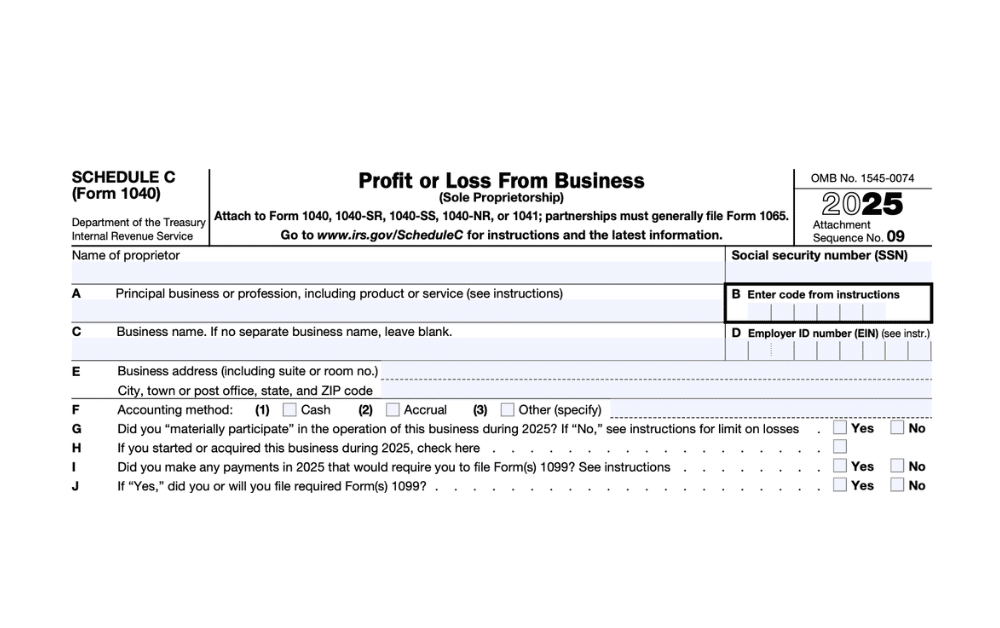
You can deduct ordinary and necessary business expenses on Schedule C including home office (business portion), equipment and software, professional fees, business travel, marketing costs, and internet/phone (business use). We help you identify all allowable deductions, ensure proper documentation, and maximize deductions to reduce your net earnings subject to self-employment tax. Proper expense tracking can save thousands in taxes.
Learn more about business deductions for expats.
Can Greenback help me with quarterly estimated tax payments?
Yes, we calculate what you owe each quarter based on your projected income and provide clear payment guidance to avoid underpayment penalties. This is especially important for self-employed expats whose income fluctuates or comes from multiple countries. We also help you understand the automatic extension for the first two quarters available to expats. Quarterly payment guidance is included in our consultation service ($250).
Learn more about estimated tax payments.
Does Greenback handle FBAR filing for business bank accounts and payment platforms?
Yes, if your foreign financial accounts (including business accounts, PayPal, Wise, Revolut, Payoneer) exceeded $10,000 combined at any point during the year, FBAR filing is required. We determine which accounts and platforms must be reported, calculate the aggregate threshold correctly, and electronically file through FinCEN’s system. Our FBAR service starts at $125 for up to 5 accounts. If you’ve fallen behind on FBARs, we can help you catch up.
Learn more about our FBAR filing services.
Can Greenback help me catch up on missed filings if I’m self-employed?
Yes, we help self-employed expats catch up through IRS Streamlined Filing Procedures. We prepare 3 years of tax returns (including all Schedule C and SE forms), file 6 years of FBARs, and certify your failure to file was non-willful. Most self-employed expats who proactively come forward face minimal or zero penalties, especially when FEIE and foreign tax credits eliminate most U.S. tax owed. Our Streamlined package is $1,750.
Learn more about our Streamlined Filing service.
Can Greenback help if I have both W-2 income and self-employment income?
Yes, we handle mixed income situations. We report your W-2 (employee) income and self-employment income separately on Form 1040, prepare Schedule C for freelance income, calculate Schedule SE for self-employment tax, and optimize your FEIE claim across both income types. This is common for expats who have a day job plus side consulting or freelance work.
Learn more about our federal tax filing services.
How much does Greenback charge for self-employed expat tax filing?
Our pricing is transparent and flat-fee based. Federal tax return with Schedule C (self-employment) starts at $565. Small business entity filing (LLC, foreign corporation) starts at $750. FBAR filing is $125 for up to 5 accounts. Streamlined Filing Package is $1,750. Strategic consultations start at $250. All pricing is clear upfront with no surprises.
Use our pricing calculator to get an estimate.
File Your Self-Employment Taxes Correctly. Maximize Your Deductions.