
You’re Retired Abroad. Your U.S. Taxes Should Feel Clear, Not Stressful.
Retirement Abroad Comes With Its Own Set of Questions
-
Living full-time outside the U.S., or splitting time between countries in retirement.
You’ve established a life abroad but aren’t sure how U.S. tax filing requirements apply when you’re no longer working and your income comes entirely from retirement sources.
-
Receiving income from Social Security, pensions, annuities, or retirement account withdrawals.
You’re drawing on retirement savings, required minimum distributions, or pension benefits and need to understand how each type of income is taxed by both the U.S. and your country of residence.
-
Assuming filing requirements become simpler after leaving the workforce.
You expected retirement to simplify your tax situation, but now you’re discovering that retirement income, foreign accounts, and cross-border reporting can be just as complex as working years.
-
Holding foreign bank accounts or joint accounts with a spouse or partner abroad.
You’ve moved savings into local accounts for daily living expenses or opened joint accounts with a non-U.S. spouse, and you’re uncertain about FBAR and FATCA reporting requirements.
-
Wondering how double taxation applies to retirement income across countries.
You’re paying taxes to your country of residence on pension income or investment distributions and want to know if Foreign Tax Credits or tax treaties can eliminate U.S. tax liability.
-
Behind on U.S. filing because requirements felt unclear after retiring overseas.
You stopped working, assumed you didn’t need to file anymore, or weren’t sure which forms applied to retirement income, and now you’re worried about catching up safely without penalties.
Start your U.S. expat tax return today.
"*" indicates required fields
You Need Certainty. We Provide the Blueprint. These guides address the most common questions retirees living overseas face, so you can take your time, understand what applies to you, and move forward with confidence.

How Retirement Income Is Treated When You Live Abroad
Social Security, pensions, annuities, and retirement account withdrawals don’t all follow the same rules overseas. This guide explains how different types of retirement income are viewed by the U.S., and what often causes confusion for expats in retirement.
Do U.S. Retirees Abroad Still Need to File Taxes?
Many retirees assume filing requirements end when work income stops. This resource walks through when U.S. returns are still required — even if tax owed feels low or nonexistent.
Understanding Social Security Taxes Outside the U.S.
Living abroad can affect how Social Security is taxed, where it’s taxed, and whether treaties apply. This guide breaks down what retirees should know, without legal jargon.
Foreign Bank Accounts, Joint Accounts, and Reporting Rules
Retirees often consolidate savings into local accounts or share accounts with a spouse abroad. This guide explains when foreign accounts need to be reported and what typically raises questions — especially later in life.
Avoiding Double Taxation on Retirement Income
Paying tax to two countries is one of the biggest concerns retirees have. This resource explains how tax treaties, foreign tax credits, and exclusions may apply to retirement income earned or received abroad.
What If You Realize Something Was Missed Years Ago?
Many retirees discover filing gaps only after moving abroad or simplifying finances. This guide explains common catch-up paths and why these situations are often resolvable when handled carefully.Featured In






Hear From Retirees Who Solved Their Expat Tax Puzzle and Simplified Their Retirement Income Filing.
Saved me some real $’s here and there due to Foreign Taxes, Real Estate, 401K, etc…
Now retired it is even more important to get it right !
 4.84/5
 4.9/5
4.9/5
 4.8/5
4.8/5
Tax Help for Retirees Abroad
Retirement overseas brings a different set of tax considerations: fewer moving parts in some areas and greater complexity in others. Our services are designed to help retirees understand their current position, address any unresolved issues, and stay compliant going forward, without unnecessary stress.
Retirement Income & Double Taxation Guidance
Understanding how retirement income is taxed across borders can be confusing. We apply tax treaties, foreign tax credits, and relevant exclusions to help prevent double taxation and ensure your income is reported accurately.
$565
USD
FBAR and FATCA Compliance
Retirees often shift savings into foreign or joint accounts for everyday life overseas. We help you understand which accounts need to be reported, prepare the required filings, and ensure ongoing reporting is handled correctly year after year.
$125+
USD
Catch-Up Filing for Retirees Abroad
If you’ve realized that returns, filings, or foreign account reports were missed in prior years, there are often structured ways to address this. We prepare all required U.S. returns, retirement income reporting, and FBARs with a focus on resolving gaps thoughtfully and reducing risk.
$1,750
USD
Ongoing U.S. Tax Filing in Retirement
Once everything is current, we handle your annual U.S. tax return so nothing falls through the cracks. We account for Social Security, pensions, retirement account distributions, investment income, and treaty considerations specific to retirees living abroad.
$565
USD
Strategic Consultation for Retirees
If you want clarity before taking action, a consultation with an expat tax expert can help. We walk through your situation, explain what applies (and what doesn’t), and outline next steps — without pressure to move faster than you’re comfortable with.
$250+
USD
State Tax Review for Retired Expats
If you previously lived in a U.S. state with ongoing tax ties, we review whether state filing is still required and help resolve lingering obligations when necessary.
$185
USD
Your Questions, Answered: US Tax Guides & Resources
Visit the Knowledge Center












US Expat Tax FAQs
Do I still need to file U.S. taxes if I’m retired and living abroad?
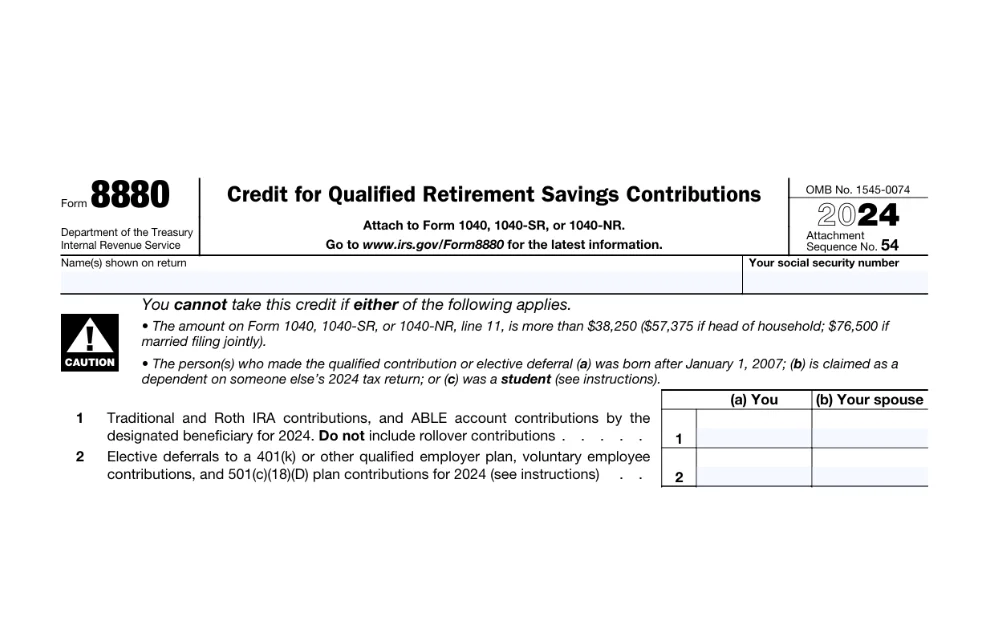
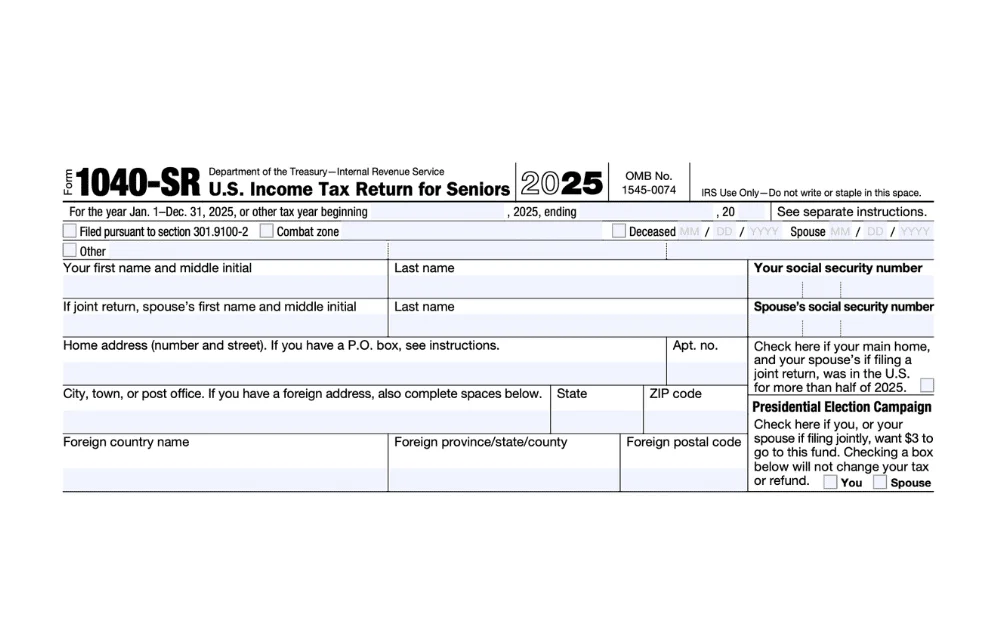
Yes, retirement does not end your U.S. filing obligation. U.S. citizens are taxed based on citizenship, not employment or residence. Many retirees still need to file because of Social Security, pensions, required minimum distributions (RMDs), or foreign financial accounts, even when no U.S. tax is ultimately owed.
Greenback works with retired expats every year to determine whether a return is required, which forms apply, and how to file correctly. For many retirees, simply filing properly prevents future IRS issues if circumstances change or you later return to the U.S.
Learn more about our federal tax return preparation services.
Can Greenback help me determine if I need to file based on my Social Security and pension income?
Yes, Greenback helps retirees determine whether filing is required based on their specific income sources and amounts. Not all retirement income triggers a filing requirement, but many retirees file unnecessarily or unknowingly miss required filings.
We analyze your Social Security benefits, pension distributions, IRA/401(k) withdrawals, annuity payments, and investment income to determine your filing obligation and ensure you’re not over-filing or under-filing.
This analysis is included in our federal tax return preparation service or available through a strategic consultation.
I haven’t filed U.S. taxes in years since retiring overseas. Can Greenback help me catch up?
Yes, Greenback has deep expertise in helping retirees catch up on missed U.S. tax filings through the IRS Streamlined Filing Procedures. This program is designed for taxpayers whose noncompliance was non-willful, which applies to many retirees who assumed they didn’t need to file after leaving the workforce.
We prepare the required three years of returns, six years of FBARs, and help you certify non-willful conduct. Most retirees using Streamlined Procedures face minimal or zero penalties, especially when Foreign Tax Credits or exclusions eliminate U.S. tax owed.
Our Streamlined Filing Package is $1,750. Learn more about our Streamlined Filing services.
Can Greenback help me determine if FBAR and foreign account reporting rules still apply to me in retirement?
Yes, FBAR and FATCA reporting apply based on account balances, not employment status. Many retirees hold foreign accounts for daily living expenses, savings, or joint accounts with a non-U.S. spouse and don’t realize reporting is required. If your foreign financial accounts (checking, savings, joint accounts, investment accounts) exceed $10,000 aggregate at any point during the year, FBAR filing is required.
Greenback can help retirees determine which accounts must be reported, calculate thresholds correctly (including joint accounts), and prepare FinCEN Form 114 (FBAR) and Form 8938 (FATCA) when applicable. Our FBAR service starts at $125 for up to 5 accounts.
Learn more about our FBAR filing services.
Can Greenback help me understand how my retirement income is taxed across countries and avoid double taxation?
Yes, retirement income is often treated differently by the U.S. and your country of residence, creating confusion about double taxation.
Greenback helps retirees understand how pensions, IRAs, 401(k)s, Social Security, and annuities are taxed in both countries, determine when U.S.-tax treaties apply (and when they don’t), and apply Foreign Tax Credits or exclusions correctly to avoid or reduce double taxation.
We ensure treaty provisions are claimed properly through Form 8833 when applicable and that you’re not overpaying either country. This coordination is included in our federal tax return preparation services.
My foreign bank accounts are joint with my non-U.S. spouse. Can Greenback help with reporting?
Yes, joint accounts with a non-U.S. spouse still trigger FBAR and potentially FATCA reporting requirements for the U.S. citizen account holder. Even though your spouse may not have U.S. tax obligations, you must report your share of jointly-held foreign accounts if aggregate balances exceed $10,000.
We review account ownership structures, calculate reporting thresholds correctly, determine whether both spouses need to file separate FBARs or can file jointly, and ensure conservative, compliant reporting. This is included in our FBAR filing services.
How much does Greenback charge for retiree tax preparation and FBAR filing?
Our pricing is transparent and flat-fee based. Federal tax return preparation for retirees starts at $565, which includes Form 1040, retirement income reporting (Social Security, pensions, IRA/401(k) distributions), Foreign Tax Credit calculations (Form 1116), treaty claims, and up to 20 transactions. FBAR filing starts at $125 for up to 5 accounts. Streamlined Filing Package (3 years returns + 6 years FBARs) is $1,750. State tax returns are $185 each. Strategic consultations start at $250.
Most retirees find our fees are offset by the peace of mind, time saved, and tax savings from proper Foreign Tax Credit application. Use our pricing calculator to get an estimate.
Can Greenback help me with ongoing annual filing now that I’m retired abroad?
Yes, once your situation is current (whether through catch-up filing or starting fresh), Greenback handles your annual U.S. tax return year after year. We account for all retirement income sources (Social Security, pensions, RMDs, annuities, investment income), apply Foreign Tax Credits and treaty benefits, ensure FBAR and FATCA compliance, track changes in tax law affecting retirees, and provide consistent service from the same accountant who learns your situation over time.
Annual filing gives you predictability and peace of mind knowing nothing falls through the cracks. Our federal tax return preparation service starts at $565 for retirees.
Retire with confidence. Keep your U.S. taxes stress free.